Automating machine tending with robots in your factory provides a wide range of benefits from longer unattended runs and greater capacity to increased profit per part. However, robotic automation presents certain challenges that are not always obvious. These include interfacing between the robots and CNCs and other machines, managing multi-machine operations, and
Industry 4.0 – the fourth industrial revolution – represents a significant shift in manufacturing through the use of smart factory technologies. Key components include robotic automation, industrial internet connectivity using open standards, and six sigma levels of process control for ‘lights out’ production. The overarching goal is
Autonomous Manufacturing is automated, self-governing smart factory operations, a key element of Industry 4.0, which uses robots and robotic production software digitalization along with existing systems to optimize production with minimal human involvement. Achieving autonomous manufacturing requires attaining autonomy in production process control and
The paper provides comprehensive info on the different aspects of a machine tending initiative using either cobots or industrial robots to achieve greater unattended operation, higher yields, and better margins. Included in the paper are several practical tools that’ll help successfully guide you through your factory’s robotic automation projects.
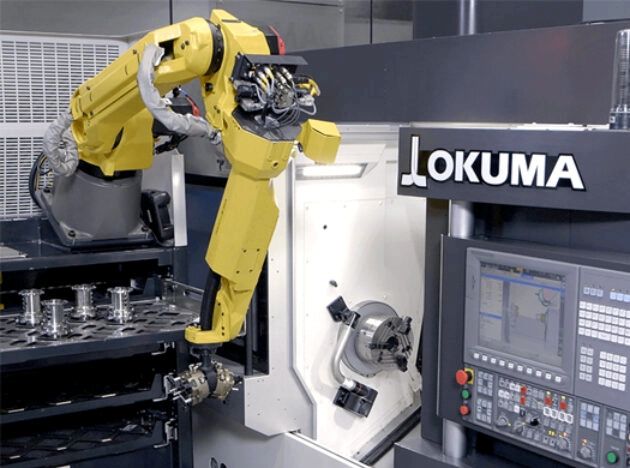
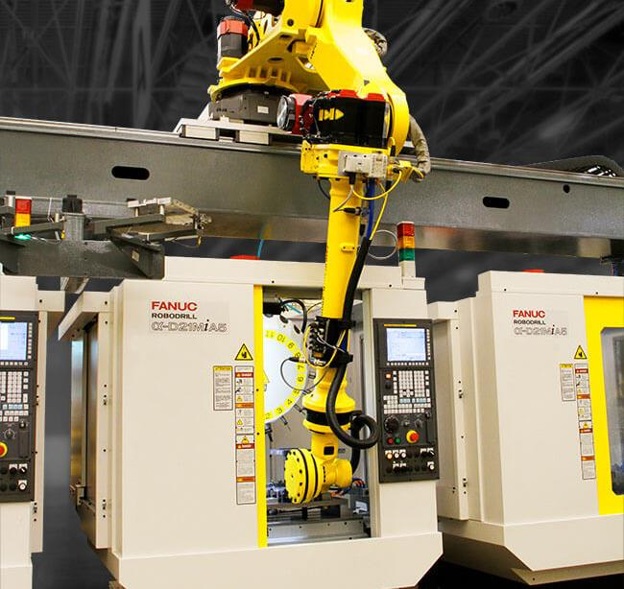
Today, I want to take look at the difference between basic CNC robot machine tending and Advanced Robotic Machine Tending. While there are a number of differences, the key distinction is that basic machine tending involves a single robot with one machine whereas advanced machine tending involves one or more robots
Autonomous Process Control (APC) is a solution using robots and automated inspection to achieve high-precision, repeatable manufacturing without human intervention. Key components include industrial and collaborative robotics, automated inspection technologies, and standardized robotic



Recent Comments